15 Critical Factors Driving AI in Transportation Management Success
The logistics landscape has transformed dramatically over the past decade, with freight costs climbing unpredictably and carrier capacity swinging wildly during peak seasons. For 3PL providers managing multi-modal networks across LTL, FTL, and parcel shipments, the traditional approaches to transportation planning and execution are no longer sustainable. Shippers demand OTIF performance in the high 90s while simultaneously pushing for cost reductions, creating a paradox that manual processes and legacy TMS platforms struggle to resolve. This pressure has accelerated adoption of intelligent automation across every stage of the order-to-delivery orchestration cycle.
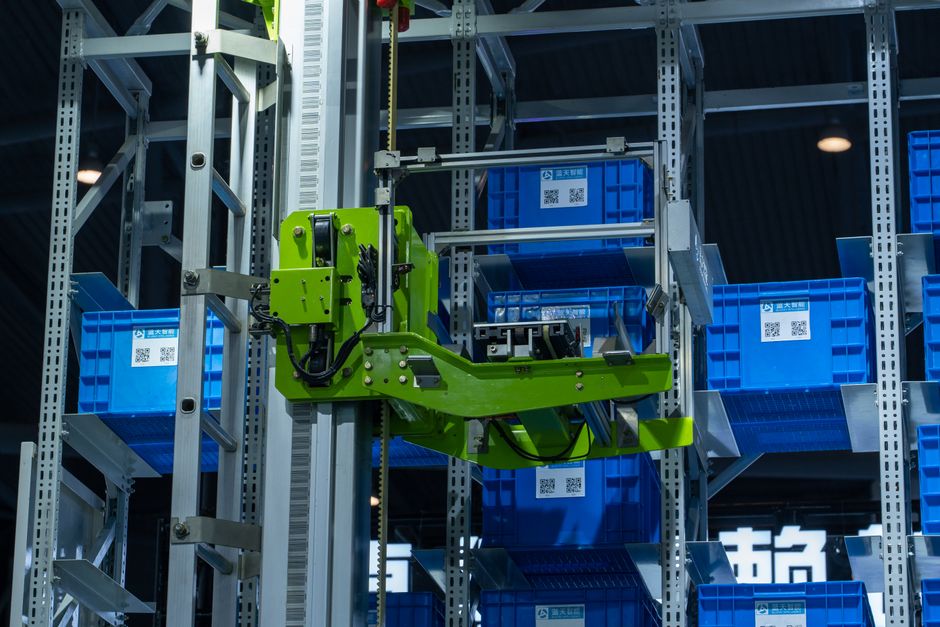
The integration of AI in Transportation Management is reshaping how contract logistics providers approach carrier selection, load planning, route optimization, and freight audit workflows. Unlike incremental improvements from previous technology waves, artificial intelligence delivers transformative capabilities that address the industry's most persistent pain points: real-time visibility across fragmented carrier networks, dynamic route adjustment responding to traffic and weather disruptions, predictive capacity planning that anticipates carrier availability weeks in advance, and automated freight cost per unit analysis that identifies savings opportunities hidden in millions of shipment records. Success with these technologies, however, depends on understanding which factors truly drive ROI and operational excellence.
1. Real-Time Data Integration Across TMS, WMS, and OMS Platforms
AI algorithms are only as effective as the data they consume. The most successful implementations prioritize seamless integration between Transportation Management Systems, Warehouse Management Systems, and Order Management Systems. When order release triggers from the OMS flow directly into TMS load planning while simultaneously updating WMS dock scheduling, AI can optimize the entire pick-pack-ship-deliver cycle rather than isolated segments. Contract logistics operators at companies like XPO Logistics have demonstrated that integrated data architectures reduce order cycle time by 18-25% compared to siloed systems where manual handoffs create delays and errors.
The challenge lies in normalizing data from legacy systems that were never designed to communicate. Carrier APIs provide tracking events in different formats and frequencies; WMS platforms measure cube utilization and dwell time using inconsistent units; freight invoices arrive as PDFs, EDI files, and email attachments. AI-powered data integration layers use natural language processing and pattern recognition to harmonize these disparate inputs, creating unified datasets that feed downstream optimization models. Without this foundation, even sophisticated algorithms produce unreliable results.
2. Predictive Carrier Capacity Planning
Carrier capacity volatility remains one of the most vexing challenges in freight management. During peak seasons, contracted capacity evaporates as carriers prioritize their largest customers or chase spot market premiums. AI models trained on historical tender acceptance rates, seasonal patterns, lane-specific performance, and macroeconomic indicators can forecast capacity constraints 4-6 weeks in advance with 80-85% accuracy. This visibility enables proactive carrier relationship management and strategic spot market positioning before rates spike.
Leading 3PL providers now use these predictive insights to structure flexible capacity agreements with core carrier partners, reserving guaranteed lanes at negotiated rates while maintaining backup relationships for overflow. The AI continuously scores carrier reliability across dimensions like on-time pickup, in-transit visibility, damage rates, and invoice accuracy, automatically adjusting tender priority as performance shifts. This dynamic approach has proven far more effective than static routing guides that become outdated within weeks of implementation.
3. Dynamic Route Optimization Responding to Real-World Disruptions
Traditional route planning calculates optimal paths based on distance, historical transit times, and static constraints like delivery windows. AI-enhanced route optimization ingests real-time traffic data, weather forecasts, port congestion updates, and even social media feeds about accidents or protests, then recalculates routes dynamically as conditions change. For last-mile delivery operations managing dozens or hundreds of daily routes, this capability prevents the cascading delays that occur when a single disruption derails an entire sequence of stops.
The ROI becomes particularly compelling in drayage operations, where detention and demurrage charges can consume 15-20% of total freight costs on congested lanes. AI models learn port-specific congestion patterns, terminal gate hours, and chassis availability cycles, then schedule pickups during windows with the lowest dwell time probability. DHL Supply Chain reported that implementing AI-driven drayage scheduling reduced average container turn time by 3.2 hours per move, directly translating to significant cost savings and improved asset utilization.
4. Intelligent Load Consolidation and Cube Utilization
Freight cost per unit drops dramatically when shipments consolidate efficiently, yet manual load planning rarely achieves theoretical maximum cube utilization. AI algorithms analyze order characteristics—dimensions, weight, fragility, destination proximity, delivery window flexibility—across thousands of pending shipments simultaneously, identifying optimal consolidation opportunities that human planners would never spot. Advanced implementations even negotiate load configurations with warehouse operations, suggesting pick sequence adjustments that stage compatible orders for efficient loading.
Cross-dock operations benefit immensely from this capability. By predicting inbound arrival times and analyzing outbound consolidation potential before trucks even reach the facility, AI-directed cross-docking can route freight through staging lanes that minimize touches and maximize load density. J.B. Hunt's intermodal operations have demonstrated that AI-optimized load planning improves cube utilization by 12-18% compared to rule-based systems, effectively increasing network capacity without adding equipment.
5. Automated Freight Audit and Payment Accuracy
Freight invoices contain errors at surprisingly high rates—industry studies suggest 8-12% of carrier invoices include overbilling due to incorrect accessorials, duplicate charges, or rate misapplication. Manual freight audit processes catch some discrepancies but require labor-intensive line-by-line review that doesn't scale with shipment volumes. AI-powered freight audit compares invoiced amounts against contracted rates, shipment characteristics, and accessorial triggers in seconds, flagging exceptions with specific reasoning and automatically approving clean invoices for payment.
Natural language processing extends this capability to unstructured data like detention justifications or damage claims documentation. When a carrier bills detention charges, the AI can cross-reference appointment times from the WMS, driver check-in logs from yard management systems, and loading completion timestamps to validate or dispute the charge. This level of granular analysis, executed across hundreds of thousands of monthly invoices, typically recovers 3-7% of total freight spend while accelerating payment cycles for legitimate charges.
6. Proactive Exception Management and Shipment Visibility
The lack of real-time visibility across multi-carrier, multi-modal networks creates constant firefighting as delayed shipments surface only when customers call to complain. AI-based exception management monitors every shipment against expected milestones, comparing actual tracking events to predicted transit times and proactively alerting logistics coordinators when delays are likely. More sophisticated systems automatically trigger corrective actions: rerouting via alternative carriers, expediting through faster service levels, or adjusting downstream delivery appointments to accommodate revised ETAs.
This proactive posture transforms customer relationships. Rather than reactively explaining why a shipment is late, 3PL account teams can notify customers of potential delays before they occur and present pre-approved recovery plans. One major contract logistics provider reported that implementing AI-driven exception management reduced customer escalations by 42% while improving overall OTIF performance by 6 percentage points—a remarkable achievement in an environment where even 1-2 point gains typically require significant operational changes.
7. Zone Skipping and Network Optimization
Zone skipping—bypassing regional carrier sortation facilities by consolidating shipments destined for specific geographic areas and delivering them directly to destination zones—can reduce parcel costs by 20-35% compared to standard small package shipping. Identifying optimal zone skip opportunities manually requires analyzing order density, destination clustering, consolidation lead times, and carrier rate tables across multiple services. AI excels at this multidimensional optimization, continuously evaluating whether to ship individual parcels immediately or hold them for consolidation based on predicted order flow and delivery deadline requirements.
The same algorithmic approach applies to broader network design questions: Which warehouse should fulfill an order when inventory exists at multiple locations? Should freight move through a cross-dock or ship direct? Is it more cost-effective to position inventory closer to demand centers or leverage centralized fulfillment with faster transportation? Organizations implementing AI solution development initiatives for network optimization report that these models uncover savings opportunities that remain invisible to traditional analysis methods constrained by human cognitive limits.
8. Returns Processing and Reverse Logistics Optimization
Returns volume is growing faster than forward fulfillment in many sectors, with reverse logistics infrastructure struggling to keep pace. AI applications in returns management span the entire lifecycle: predicting return probability at order placement to enable proactive interventions, optimizing return routing to minimize transportation costs while meeting customer expectations, intelligently dispositioning returned inventory for resale versus liquidation, and identifying return fraud patterns that manual review misses.
Reverse logistics presents unique optimization challenges because returns trickle back individually rather than moving in consolidated shipments. AI models that cluster return shipments by destination, condition assessment requirements, and disposition pathways can dramatically reduce the cost per return. When integrated with forward logistics planning, these systems can even leverage backhaul optimization, using vehicles returning from delivery routes to pick up returns along the way rather than dispatching dedicated return pickups.
9. Labor Planning Aligned with Fluctuating Shipment Volumes
Warehouse labor shortages and high turnover directly impact SLA performance, yet most facilities still rely on static shift schedules that ignore daily volume fluctuations. AI forecasting models predict inbound receiving volume, outbound pick-pack-ship demand, and cross-dock throughput requirements with 3-7 day lead times, enabling workforce management teams to adjust staffing proactively. When a major retailer's promotional event will spike fulfillment demand, or when port congestion will delay inbound containers and reduce receiving activity, the AI flags these variances early enough to secure temporary labor or reallocate existing staff.
Beyond volume forecasting, AI optimizes task assignment within the warehouse. When multiple orders await fulfillment, which pick path sequence minimizes travel time? Which orders should batch together to maximize picking efficiency? Should a specific order route to automated equipment or manual processes based on current queue depths and labor availability? These micro-optimization decisions, executed thousands of times daily, compound into significant productivity improvements that manual coordination cannot achieve.
10. Carrier Selection and Rate Negotiation Intelligence
Carrier selection has traditionally relied on static routing guides and periodic RFP cycles that quickly become outdated. AI transforms this into a continuous optimization process, evaluating every tender against current carrier performance scores, real-time capacity availability, lane-specific rates, and service level requirements. The system learns which carriers excel on specific lanes, which consistently accept tenders during tight capacity, and which provide reliable transit times versus those with high variability.
This performance intelligence feeds directly into rate negotiations. Rather than relying on industry benchmarks or limited internal data, procurement teams armed with AI-generated insights can negotiate from positions of specificity: "Your on-time performance on the Chicago-Atlanta lane deteriorated 8 points over the past quarter while your closest competitor improved 3 points, yet your rates increased 12% at the last renewal." This data-driven approach has proven far more effective than generic discount requests, with leading 3PLs reporting 4-9% better rates in AI-informed negotiations.
11. Multi-Modal Optimization Across LTL, FTL, Parcel, and Intermodal
Most shipments could theoretically move via multiple transportation modes, each with different cost, speed, and reliability characteristics. Manual mode selection relies on simple rules: shipments under 150 lbs go parcel, 150-10,000 lbs use LTL, anything larger moves FTL. AI-based mode optimization considers dozens of variables simultaneously—current rates across modes, delivery deadline flexibility, consolidation potential, carrier capacity availability, dimensional weight factors for parcel, accessorial likelihood, and historical performance data—to select the optimal mode for each specific shipment context.
The savings from sophisticated mode selection compound quickly across high volumes. A shipment that's 148 lbs might automatically route to parcel under simple rules, but AI might recognize that combining it with three other shipments to the same metro area creates an LTL pallet that costs 35% less than four individual parcels. Or it might identify that a 2,500 lb shipment with a flexible delivery window should move via intermodal rather than LTL, saving 40% while still meeting the customer's needs.
12. Demand Forecasting Integration with Transportation Planning
Transportation planning has historically been reactive, responding to orders as they arrive rather than anticipating future demand. Integrating demand forecasting with transportation management enables proactive positioning: pre-booking carrier capacity before orders firm up, positioning equipment near predicted demand centers, even pre-staging inventory at cross-dock facilities when the forecast suggests specific lanes will experience surges. This shift from reactive to predictive dramatically improves both cost and service outcomes.
The AI learns seasonal patterns, promotional calendars, macroeconomic indicators, and even weather correlations that influence demand across different product categories and geographies. When a forecast predicts elevated West Coast import volumes three weeks out, the system can secure drayage capacity and negotiate favorable rates before spot market prices spike. When weather forecasts suggest a major storm will disrupt Southeast deliveries, the system can accelerate shipments or reroute through alternative paths before the disruption occurs.
13. Carbon Emissions Tracking and Sustainability Optimization
Sustainability requirements increasingly influence transportation decisions, with shippers demanding detailed carbon emissions reporting and proof of optimization efforts. AI enables precise emissions calculation at the individual shipment level, accounting for mode-specific emissions factors, route distance, vehicle load factors, and even real-world traffic conditions that affect fuel consumption. More importantly, the AI can integrate carbon impact as a constraint or weighted factor in route optimization, mode selection, and carrier selection algorithms.
This creates opportunities for differentiated service offerings. A 3PL might offer "carbon-optimized" fulfillment that prioritizes the lowest-emission transportation options within acceptable cost and service parameters, automatically selecting rail intermodal over trucking when time permits, consolidating shipments more aggressively to reduce empty miles, and preferring carriers with newer, more efficient fleets. The AI quantifies these tradeoffs explicitly—"this shipment could deliver one day slower at 18% lower cost and 35% lower emissions"—enabling informed decision-making aligned with sustainability goals.
14. Dock Scheduling and Yard Management Automation
Dock door congestion creates cascading inefficiencies: carriers waiting hours for unloading doors, warehouse staff idle between appointments, inbound freight delayed because receiving capacity is saturated. AI-powered dock scheduling optimizes appointment windows based on predicted unload duration, warehouse labor availability, downstream processing capacity, and even carrier preferences. The system learns that specific carriers consistently arrive 30 minutes early while others run late, adjusting buffer times accordingly. It recognizes that certain product types require specialized handling equipment only available at specific doors, routing appointments to compatible resources.
Yard management complexity increases exponentially at large facilities with dozens of doors, hundreds of daily appointments, and mixed operations spanning inbound receiving, outbound loading, cross-docking, and storage. AI coordinates these competing demands dynamically, re-optimizing schedules as appointments cancel, shipments arrive early or late, or urgent orders disrupt planned sequences. Ryder System's implementations of AI-directed yard management reported 25-30% reductions in average dwell time and 40% fewer detention charges, directly impacting both operational costs and carrier relationships.
15. Continuous Learning and Adaptive Optimization
Perhaps the most powerful factor distinguishing AI from traditional rule-based systems is continuous learning. As the AI processes millions of shipments, it identifies patterns invisible to human analysts: subtle correlations between weather and carrier performance, seasonal variations in optimal departure times for specific lanes, carrier-specific behaviors during capacity crunches, even how individual customer ordering patterns influence optimal fulfillment strategies. The algorithms automatically incorporate these learnings, becoming more accurate and effective over time without manual intervention.
This adaptive capability proves critical in volatile environments. When the pandemic disrupted global supply chains, legacy TMS platforms continued executing outdated rules while AI systems rapidly adjusted to new realities: port congestion patterns that emerged within weeks, carrier capacity constraints that shifted across lanes, delivery time expectations that changed as consumers adapted to delays. Organizations with adaptive AI maintained service levels that rule-based competitors couldn't match, demonstrating that algorithmic resilience delivers competitive advantage during disruptions.
Conclusion
The fifteen factors explored above represent the critical dimensions where AI in Transportation Management delivers measurable ROI for contract logistics providers facing unprecedented pressure on costs, service levels, and operational complexity. Success requires more than deploying algorithms—it demands integrated data architectures, change management that brings operations teams along the transformation journey, and executive commitment to continuous improvement as the AI learns and capabilities expand. Organizations that treat AI as a point solution will capture modest benefits; those that reimagine transportation management as an intelligent, adaptive system will fundamentally transform their competitive position. As freight management AI maturity grows, the integration with adjacent capabilities like AI in Order Management will create end-to-end orchestration from order capture through final delivery, eliminating the handoffs and delays that plague siloed optimization efforts. The logistics providers that move decisively on these capabilities today are building operational advantages that will compound for years to come.


Comments
Post a Comment