Harnessing Generative AI in HR Workflows: Insights from Real Implementation
In the rapidly evolving world of corporate human resources, embracing technological advancements is crucial for staying competitive. Generative AI in HR Workflows offers transformative potential, streamlining various HR processes from talent acquisition to organizational change management. But what does this look like in practice, and what lessons have we learned from actual implementations?
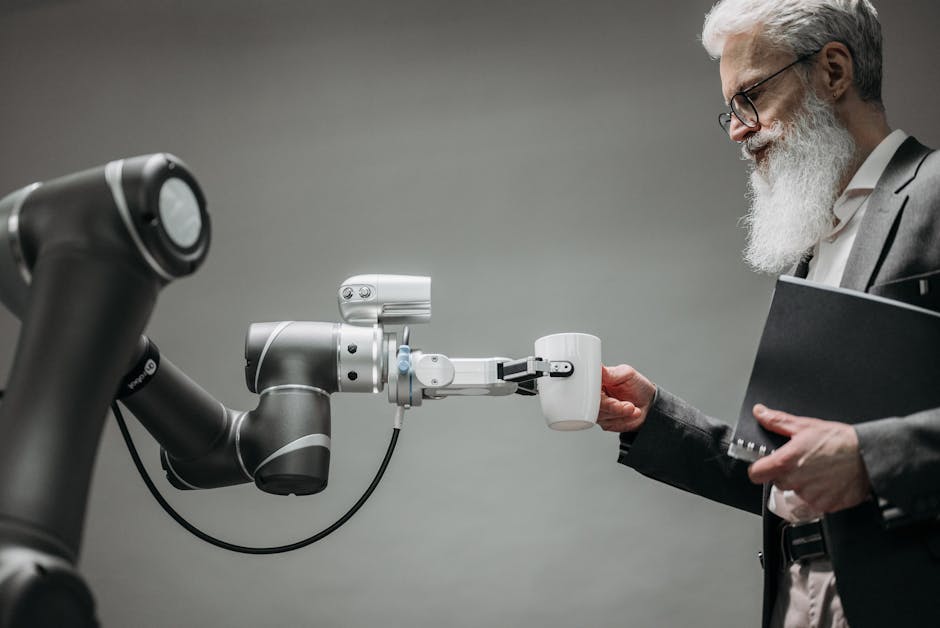
Many organizations, spurred by evolving workforce demands, have ventured into integrating Generative AI in HR Workflows. Companies like Oracle HCM Cloud have started utilizing these technologies to optimize performance management systems and enhance employee engagement. Let's delve into some valuable insights drawn from these implementations.
Transformative Impact on Talent Acquisition
One of the first areas where generative AI made significant strides is in talent acquisition. By automating the initial screening and matching candidates with job roles using AI-enhanced ATS, organizations reported a 30% reduction in time-to-hire. However, understanding the context and specific needs of the company is essential to leverage these tools effectively.
For example, a large-scale retail organization faced the challenge of hiring seasonal staff efficiently. Implementing AI-driven talent acquisition enhancement processes not only sped up recruitment but also improved the quality of hires, as AI learning algorithms continuously adjusted the criteria based on successful employee profiles.
Enhancing Learning and Development
Creating Adaptive Learning Environments
Generative AI's ability to personalize learning experiences has impacted employee development plans significantly. HR leaders leveraged AI-driven E-learning platforms to tailor training programs, aligning them with individual employee goals and company strategies. This personalization ensures skill gaps are addressed effectively, aiding employee retention and career progression.
- Custom training modules based on AI-driven skills assessments.
- Continuous feedback mechanisms that adapt to learning styles.
A Barrier to Effective AI Implementation
Despite its potential, integrating generative AI in HR workflows can encounter resistance. A mid-sized tech company found that without clear communication and involvement from HRBPs throughout implementation, employee pushback delayed success. This highlighted the importance of strategic change management practices in introducing new technologies.custom AI solutions were key in addressing unique organizational needs that off-the-shelf products couldn’t meet.
Conclusion
The future of HR is undoubtedly intertwined with generative AI. As more organizations navigate this transition, the need for bespoke solutions becomes evident. Implementing the HR Strategy AI Solution is pivotal for aligning HR functions with overall business objectives, driving productivity and growth.


Comments
Post a Comment