AI Driven Enterprise Operations: Tackling Manufacturing Challenges
The automotive manufacturing sector faces unique challenges, from Supply Chain Planning to Product Lifecycle Management. AI Driven Enterprise Operations are paving the way to address these issues with unprecedented precision and efficiency.
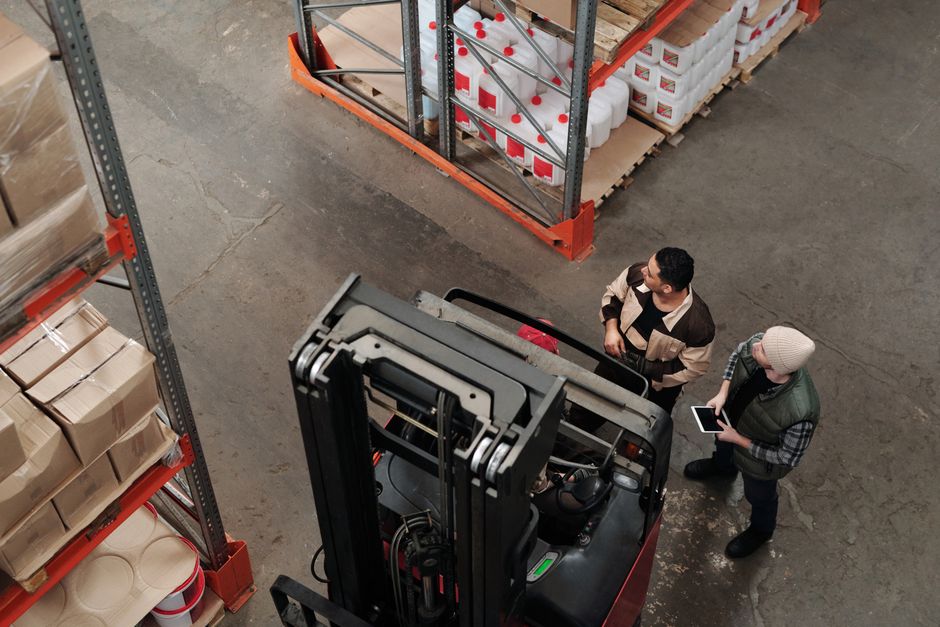
The transition from traditional operations to AI Driven Enterprise Operations is reshaping the manufacturing landscape, offering solutions to complex challenges faced by industry leaders like Tesla and General Motors.
Enhancing Supply Chain Resilience
AI offers a multifaceted solution to improving supply chain resilience and visibility. Real-time data analytics helps in anticipating disruptions, allowing manufacturers to mitigate risks proactively. For instance, AI can enhance Supplier Quality Management by automatically analyzing supplier data and improving vendor relationships.
Companies are increasingly focusing on AI to create an autonomous supply chain, leveraging predictive analytics for effective inventory and logistics management.
Quality Control Innovations
Improving quality control is a critical area where AI makes a significant impact. By incorporating advanced sensors and machine learning algorithms, manufacturers can detect anomalies in real-time, reducing defects significantly.
Deploying AI in TPM and Kaizen processes further refines manufacturing quality, ensuring that production lines operate at peak efficiency with minimal waste.
Addressing Labor Shortages
In the face of labor shortages, AI plays a crucial role by automating repetitive tasks, thus freeing up human resources for more strategic roles. Methods like Just-In-Time (JIT) manufacturing and SMED benefit significantly from AI innovations, cutting down on unnecessary downtime.
For insights on developing AI-driven solutions to overcome labor challenges and enhance system efficiencies, the role of AI cannot be overstated.
Conclusion
AI Driven Enterprise Operations are not just a trend; they are a necessity for today's manufacturing sector. As manufacturers seek to remain competitive, adopting Intelligent Automation Solutions ensures efficiency, agility, and high-quality output. By embedding AI into core processes, the automotive manufacturing industry can look forward to a more resilient and innovative future.


Manufacturing operations face a tough mix of challenges right now, from unpredictable demand and supply delays to an experienced workforce that's retiring faster than new talent can be trained. Natural Language Processing Services can turn maintenance logs and shift handover notes into searchable insights, helping teams spot recurring equipment issues that often get buried in free-text records. To capture know-how before it walks out the door, Generative AI Development Services can help create clear SOPs and training materials based on expert input, while AI Agent Development Services can adjust production schedules and raise work orders automatically when machines or materials run into problems. For companies running multiple plants, an AI Consulting Company can help decide which sites and processes to prioritize so AI investments deliver results across the whole operation, not just one line.
ReplyDelete