Real-World Lessons from Implementing Intelligent Production Lines
After spending fifteen years in manufacturing execution systems and smart factory integration, I've witnessed firsthand how the journey from traditional assembly lines to fully connected intelligent production environments can transform operations—or derail them entirely. The promise of reduced cycle time, improved OEE, and predictive maintenance capabilities is real, but the path to achieving these outcomes is rarely straightforward. Every implementation carries its own story of triumphs, setbacks, and hard-won insights that don't make it into vendor presentations or industry white papers.
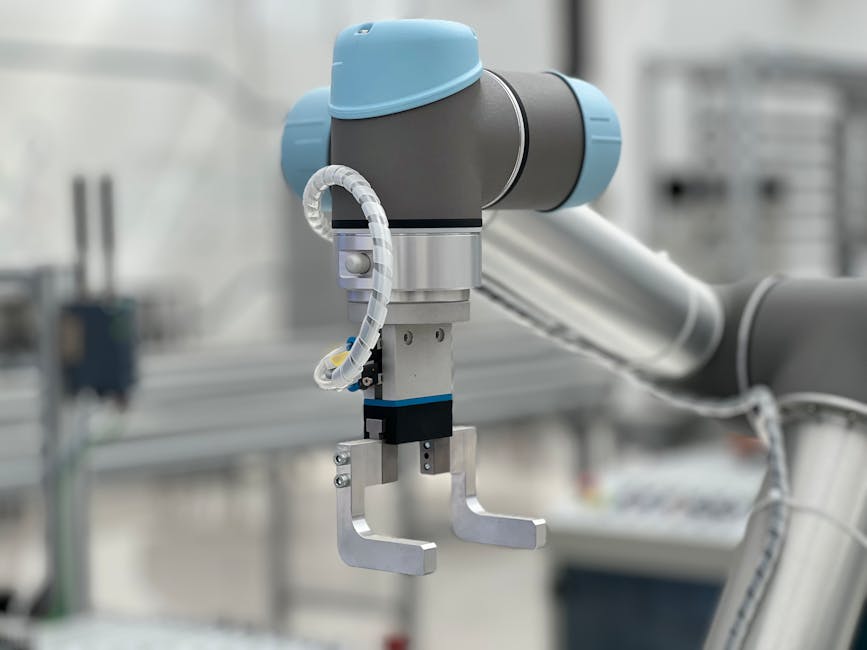
The transformation toward Intelligent Production Lines represents one of the most significant shifts in manufacturing since the introduction of programmable logic controllers. What distinguishes modern implementations from earlier automation efforts is the integration of machine learning algorithms, IIoT sensor networks, and real-time data analytics that enable production systems to adapt, learn, and optimize themselves with minimal human intervention. The plants that succeed in this transition share common characteristics: they approach implementation methodically, they invest heavily in data infrastructure before deploying advanced analytics, and they maintain realistic expectations about timelines and outcomes.
The Assembly Line That Taught Me About Data Quality
My first major lesson in intelligent production lines came during a project with a tier-one automotive supplier in the Midwest. The plant manufactured transmission components, and leadership wanted to implement predictive maintenance across their CNC machining centers to reduce unplanned downtime. On paper, the project seemed straightforward—install vibration sensors and temperature monitors, feed the data into a machine learning model, and let the system predict failures before they occurred. The vendor assured us their solution had worked flawlessly at similar facilities.
Three months into deployment, our prediction accuracy hovered around 60%, barely better than random chance. Maintenance teams stopped trusting the alerts, and we faced the real possibility of abandoning the entire initiative. The breakthrough came when we discovered that decades-old machinery documentation contained inconsistent sensor placement specifications. Different technicians had installed sensors at slightly varying positions on similar machines, creating data inconsistencies that corrupted our training dataset. We had focused entirely on the sophisticated analytics while ignoring the foundation: clean, consistent, properly contextualized data.
We spent the next six weeks standardizing sensor placement, recalibrating instruments, and rebuilding our data collection protocols. Once we established data quality standards and implemented validation checks at the edge computing level, our prediction accuracy climbed to 89%. More importantly, we reduced unplanned downtime by 34% within the following quarter. That project taught me that intelligent production lines fail not because the algorithms are inadequate, but because we feed them garbage data while expecting brilliant insights.
When Smart Factory Integration Revealed Supply Chain Vulnerabilities
A few years later, I worked with a consumer electronics manufacturer implementing end-to-end production tracking across multiple facilities. They wanted complete visibility from component arrival through final assembly, with real-time quality control checkpoints and automated routing based on production capacity. The system integrated their manufacturing execution systems with warehouse management, quality assurance databases, and shipping coordination—a genuine digital transformation initiative.
During the pilot phase at their largest facility, the intelligent production line worked exactly as designed. Production throughput increased by 18%, inventory holding costs dropped, and order fulfillment routing became significantly more efficient. Then we expanded the system to their second facility, and everything fell apart. Orders backed up, quality issues slipped through automated checks, and the production scheduling algorithm made bizarre resource allocation decisions that created bottlenecks in departments that previously ran smoothly.
The root cause surprised everyone: the two facilities used different suppliers for several critical components, and those suppliers had vastly different lead times and quality consistency. Our intelligent system had been trained on data from the first facility, where suppliers maintained tight delivery windows and consistent specifications. When confronted with the second facility's supply chain variability, the algorithms made poor decisions because they had never encountered that pattern during training. We had built a sophisticated intelligent production line that inadvertently exposed how fragile our supply chain really was.
The Solution Required Cross-Functional Collaboration
Solving this problem required stepping back from the technology and addressing fundamental business processes. We brought together procurement, production planning, quality assurance, and the AI solution teams to redesign how we managed supplier relationships and production scheduling. Instead of simply digitizing existing workflows, we used the intelligent production line data to identify which suppliers created variability, which component specifications needed tightening, and where we needed buffer inventory to accommodate supply chain disruptions.
The lesson from this experience shaped how I approach every subsequent project: intelligent production lines don't just automate existing processes—they reveal inefficiencies and vulnerabilities you didn't know existed. The organizations that succeed treat implementation as an opportunity to fundamentally rethink operations, not just to apply technology to existing workflows. They use the insights from smart sensors and real-time analytics to drive process mining initiatives that identify improvement opportunities across the entire manufacturing operation.
The Hidden Challenge of Change Management
Perhaps the most underestimated aspect of implementing intelligent production lines is the human dimension. At a medical device manufacturer where I led a robotic process automation initiative, we had executive buy-in, adequate budget, and a proven technology stack from Siemens. The technical implementation went smoothly—sensors installed on schedule, manufacturing execution systems integrated seamlessly, and our digital twin modeling environment accurately simulated production scenarios before we pushed changes to the physical line.
Yet six months after go-live, we weren't seeing the expected improvements in OEE or cycle time reduction. Production supervisors continued making manual overrides to the automated scheduling system, citing their "gut feel" about machine performance. Maintenance technicians ignored the predictive maintenance alerts, preferring their traditional inspection routines. Quality inspectors double-checked every automated quality control decision, negating the speed advantages of intelligent production lines.
We had treated this as a technology project when it was fundamentally a change management challenge. The production team, many with decades of experience, felt threatened by systems that seemed to question their expertise. We hadn't involved them in the design process, hadn't trained them on how the algorithms made decisions, and hadn't built their confidence that the intelligent systems would make their jobs easier rather than eliminating their roles.
Rebuilding Trust Through Transparency and Training
We course-corrected by creating a comprehensive training program that explained not just how to use the new systems, but why they made specific recommendations. We implemented dashboard displays that showed the data and logic behind every automated decision. Most importantly, we repositioned the intelligent production line as a tool that augmented human expertise rather than replaced it. Production supervisors could see how the system's recommendations compared to their instincts and learn when to trust the algorithms versus when their domain knowledge provided better insights.
Within three months, override rates dropped from 40% to less than 10%, and we finally began seeing the operational efficiency improvements we had projected. The technical capabilities of intelligent production lines matter far less than whether the humans operating them trust the system and understand how to collaborate with it effectively. Every successful implementation I've seen since then has prioritized change management and operator training as equal partners to technical deployment.
The Iterative Nature of Process Optimization
One misconception about intelligent production lines is that you implement them once and they immediately optimize everything forever. Reality is far more iterative. At an industrial equipment manufacturer, we deployed an intelligent system for their fabrication and assembly operations. Initial results were impressive—a 22% improvement in production throughput and a 15% reduction in defect rates. Leadership declared victory and moved on to other priorities.
But within nine months, those improvements had eroded to single digits. What happened? The production environment had changed. The company had won several new contracts requiring different product specifications, hired new operators to handle increased volume, and shifted to a new supplier for steel components. Our intelligent production line, trained on historical data that no longer reflected current conditions, made increasingly poor resource allocation and production scheduling decisions.
This experience taught me that intelligent production lines require ongoing attention, not one-time implementation. The machine learning models need regular retraining with current data. The sensor networks require calibration and maintenance. The integration points with manufacturing execution systems need monitoring as those systems evolve. Organizations need to budget for continuous improvement teams that treat intelligent production as a capability to be refined rather than a project to be completed.
Building Sustainable Digital Transformation Practices
We established quarterly review cycles where we analyzed system performance, identified drift in prediction accuracy, and retrained models with recent production data. We created feedback loops where operators could flag situations where the intelligent system made poor decisions, and we used those examples to improve the algorithms. We tracked not just production metrics but also data quality indicators, system reliability, and user satisfaction scores.
This shift from project-based thinking to capability-based management made all the difference. Intelligent production lines became living systems that evolved alongside the business rather than static implementations that gradually became obsolete. The companies I've seen sustain competitive advantage from their smart factory investments are invariably those that build continuous improvement into their operating model from day one.
Integration Complexity That Nobody Warns You About
Another hard-learned lesson involves integration complexity with legacy systems. At a food processing company, we planned to implement intelligent production lines across their packaging operations. The proposal showed clean architecture diagrams with APIs connecting modern IIoT platforms to their existing enterprise systems. In practice, we discovered their inventory management system had been customized so extensively over fifteen years that no standard integration approach would work. Their quality management database ran on a platform the vendor had discontinued five years earlier. Their production scheduling spreadsheets—yes, Excel spreadsheets—contained business logic that existed nowhere in any documented system.
We faced a choice: spend months building custom integrations to legacy systems, potentially delaying the project indefinitely, or implement a parallel intelligent production line that operated semi-independently while we gradually migrated away from legacy infrastructure. We chose the latter approach, accepting some duplicate data entry and manual reconciliation in the short term to achieve faster time-to-value from the intelligent capabilities.
This pragmatic approach worked, but it reinforced an important lesson: perfect integration is the enemy of timely deployment. Many intelligent production line initiatives stall because teams insist on comprehensive integration with every legacy system before going live. The most successful implementations I've participated in have embraced phased integration strategies—starting with the most critical connections, demonstrating value quickly, and then gradually expanding integration scope as resources and business cases warrant.
Conclusion: The Path Forward for Manufacturing Operations
Looking back across these experiences, several themes emerge consistently. Intelligent Production Lines deliver transformative results when implemented thoughtfully, but they require more than just deploying advanced technology. Success demands attention to data quality, willingness to redesign business processes, serious investment in change management, commitment to continuous improvement, and pragmatic approaches to integration challenges. The plants that achieve sustained competitive advantage treat intelligent production as a strategic capability requiring ongoing investment rather than a one-time project to complete and forget.
The manufacturing landscape continues to evolve rapidly, with capabilities that seemed futuristic just five years ago now becoming table stakes for competitive operations. Organizations exploring digital transformation should approach Intelligent Automation Solutions with realistic expectations, strong foundational data practices, and recognition that technology enables transformation but people drive it. The lessons I've learned through both successes and setbacks continue to shape how I approach every new implementation, and I hope sharing them helps others navigate their own intelligent production journeys more effectively.


Comments
Post a Comment