Understanding Intelligent Automation in Medicine: How It Works
Intelligent automation in medicine is rapidly evolving, reshaping how healthcare is delivered. By integrating artificial intelligence and advanced robotics into clinical environments, healthcare providers can enhance efficiency and improve patient outcomes. This transformative approach allows for a seamless workflow where medical practitioners can focus more on patient care rather than administrative tasks.
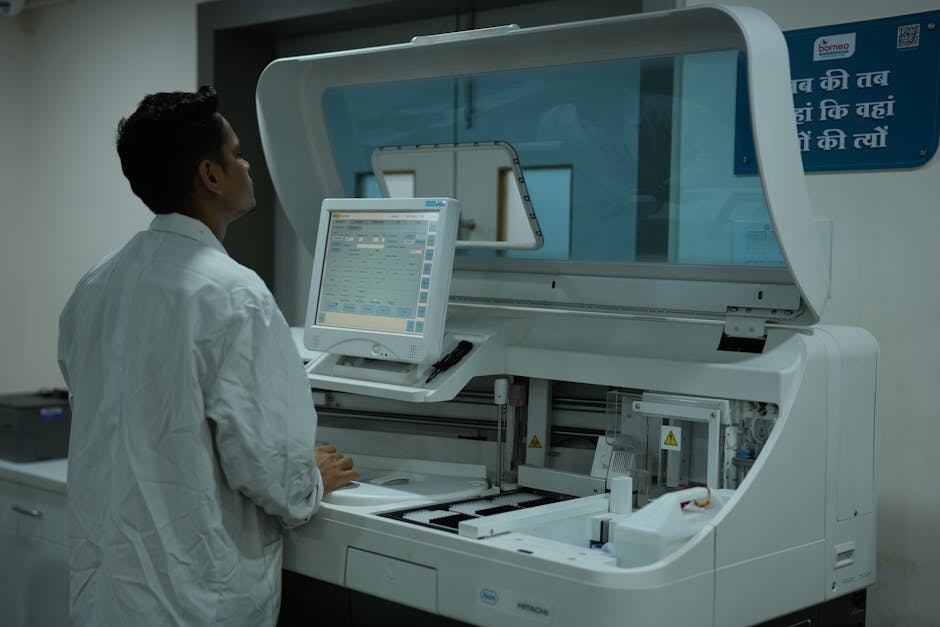
Exploring the deep implications of Intelligent Automation in Medicine, we discover the underlying technologies driving these changes. From AI-driven diagnostic tools to robotic surgery aids, the potential extends far beyond mere automation. This article delves into the practical functionalities that make intelligent automation an indispensable tool in modern healthcare.
The Anatomy of Intelligent Automation
At its core, intelligent automation encompasses several technologies that work in concert to streamline medical processes. One significant element is machine learning algorithms that can analyze massive datasets to provide actionable insights. For example, imaging solutions powered by AI help radiologists identify abnormalities with extraordinary precision.
Implementing Automation in Clinical Settings
Challenges and Solutions
Healthcare providers often face numerous challenges when integrating these technologies. Resistance to change, cost implications, and a shortage of trained personnel can all hinder progress. However, strategic planning and continuous education can facilitate smoother transitions. Proposed solutions include phased implementations where healthcare staff receive hands-on training alongside gradual technology introduction.
- Role of cloud-based systems in providing access to electronic health records.
- The importance of stakeholder buy-in for successful adoption.
- Examples of smart healthcare solutions that enhance daily operations.
Real-world Applications and Case Studies
Recent case studies illustrate the successful implementation of intelligent automation in various healthcare settings. Hospitals that adopted AI-powered triage systems reported significant reductions in patient wait times. Additionally, predictive analytics allow for better resource allocation, ensuring that medical teams can respond to patient needs efficiently.
Conclusion
As the landscape of healthcare continues to evolve, AI Agents for Healthcare represent a cornerstone commitment to innovative care. By embracing intelligent automation, healthcare systems stand to radically enhance their service delivery, ensuring they not only meet current demands but also prepare for future challenges.


Comments
Post a Comment